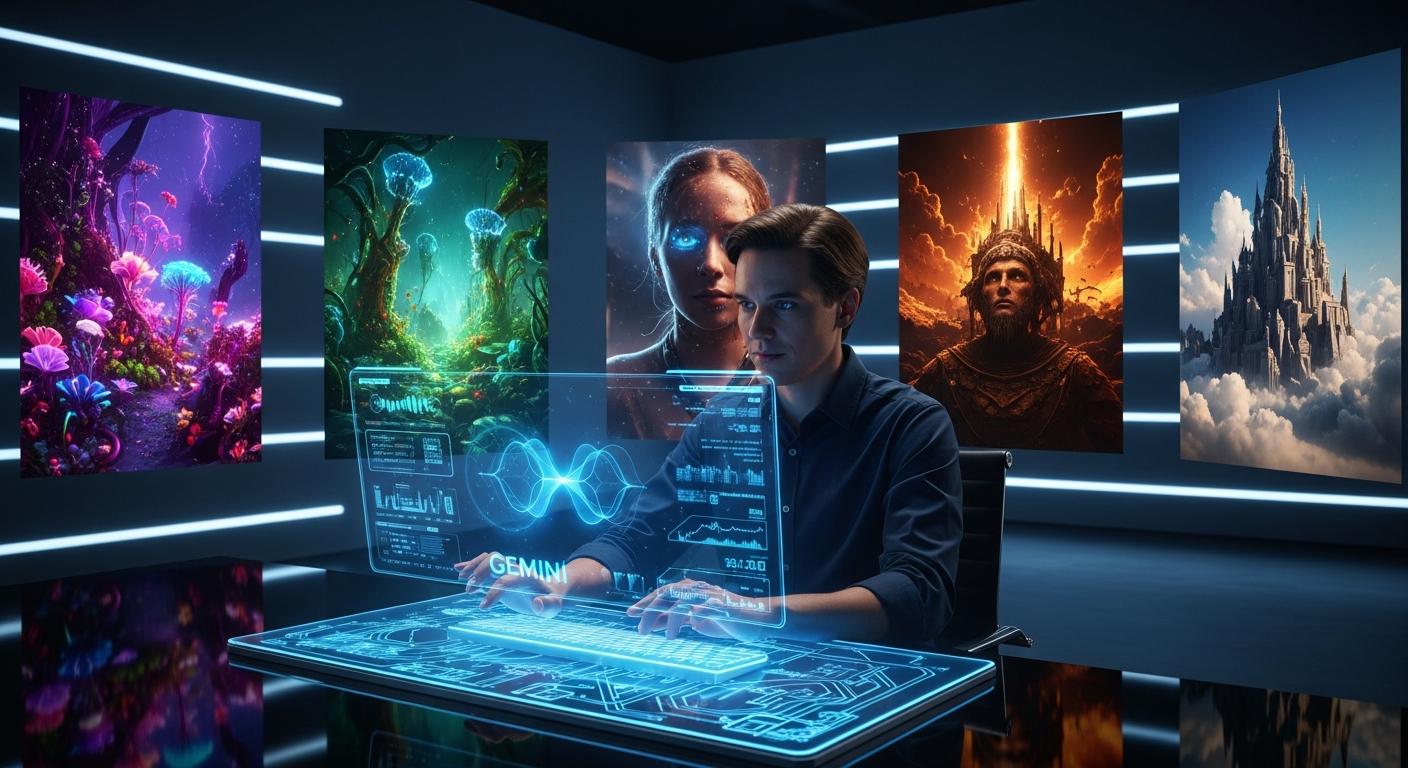
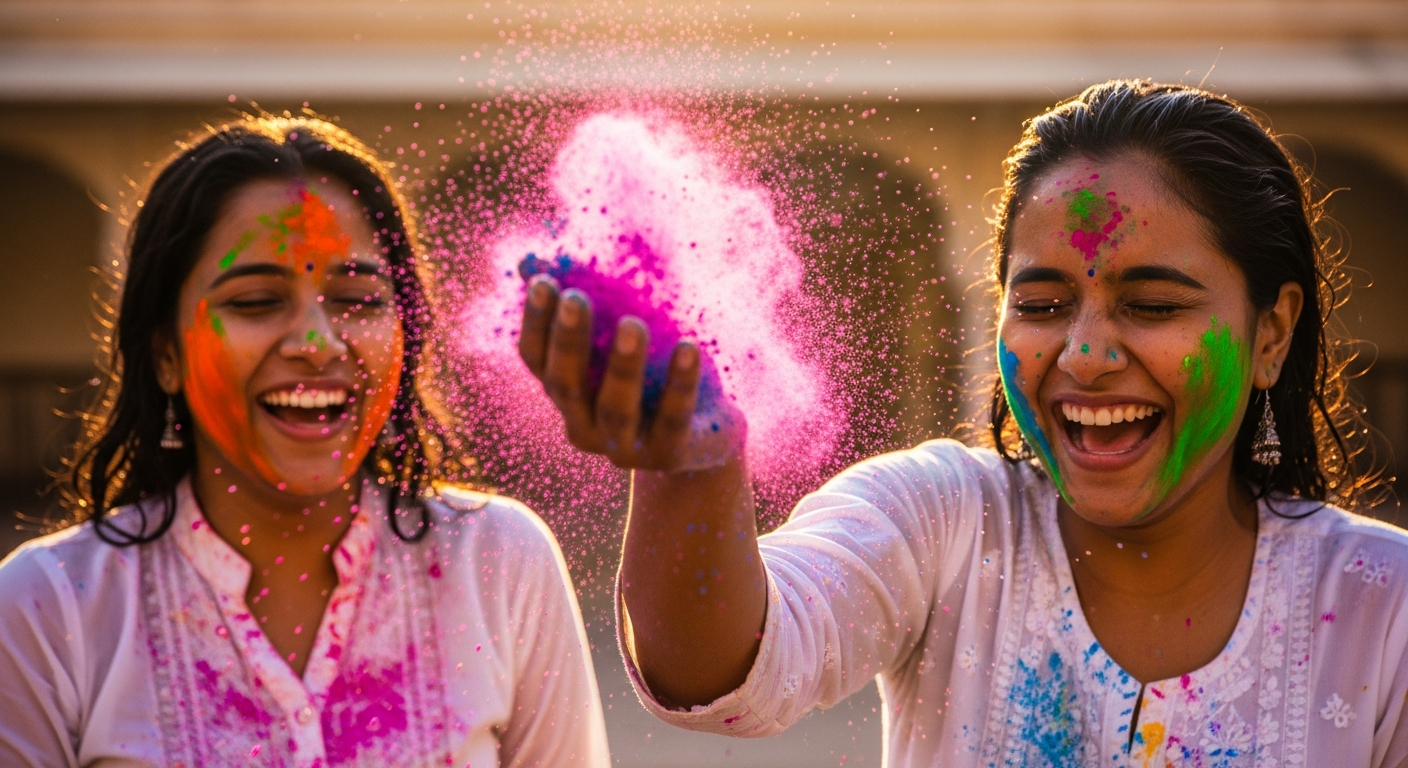
The difference between a good AI image and a photorealistic masterpiece often boils down to a single factor: texture. Generating convincing materials—the grit of rust, the shimmer of silk, or the complexity of procedural alien surfaces—requires specific, descriptive language that tells the AI precisely how light should interact with the material. Forget simple keywords; we need to speak the language of professional 3D rendering (PBR terminology).
This list provides 7 ultra-detailed prompts designed to push Midjourney V6, DALL-E 3, and Google Gemini’s rendering engines to their limit, focusing heavily on roughness, specularity, transmission, and complex procedural details.
Prompt 1: Corroded Steampunk Hull with Verdigris Patina
A deep dive into extreme metallic corrosion and the chemical interaction between different metals.
"Macro shot of a heavily corroded, brass-plated steampunk airship hull. The surface shows extreme pitting, thick emerald green verdigris patina along the seams, flaking oxidized iron rust spots, and deep scratch marks revealing polished nickel underneath. Focus on PBR texture mapping quality, --ar 16:9, extremely shallow depth of field, natural studio light, 16k resolution."
Prompt 2: Bioluminescent Chromatic Ooze Shader
This prompt focuses on challenging the AI with complex light transmission and color-shifting materials.
"A close-up texture study of a thick, viscous, bioluminescent liquid surface. The material exhibits an extreme, oil-slick iridescent chromatic shift from deep magenta to vivid cyan, glowing internally with bright green subsurface scattering. Wet look, high specular reflection, procedural flow map texture, cinematic macro lens, dark background, 8k."
Prompt 3: Alien Coral Skin and Spore Pockets
Combines organic structures with fine geological and biological details for a truly alien surface.
"Extreme close-up of an alien lifeform's skin texture. The surface resembles dried, fibrous desert coral, covered in fine, velvety black dust and interspersed with tiny, shimmering, pressurized pockets of clear amber resin. Roughness map detail, photogrammetry rendering quality, sharp focus, volumetric lighting."
Prompt 4: Rough, Worn Military Canvas Weave
Emphasizes the difficulty of generating believable textile wear and detailed thread structure.
"Detailed texture photograph of a heavy-duty, olive drab military canvas tent. Focus on the coarse basketweave pattern. The fibers are slightly frayed, covered in dry dust and subtle fading from harsh UV exposure. Noticeable shadow occlusion within the weave, high resolution scanline filter, studio lighting setup, 45-degree angle of incidence, photographic quality."
Prompt 5: Seamless Procedural Sci-Fi Hexagonal Tiling
A specific prompt targeting clean, geometric, and perfectly repetitive procedural textures suitable for environment maps.
"Perfectly seamless texture map generation of complex hexagonal floor tiles. Each tile features tiny internal circuits glowing with a soft blue neon light beneath a smoky plastic layer. The surrounding grout is matte black, showing high roughness contrast. The overall surface is reflective obsidian, rendered in a 3D procedural engine style, orthogonal view, no distortion."
Prompt 6: Basalt Column with Geode Crystal Inclusions
A high-contrast prompt emphasizing the interplay between matte, rough geology and highly glossy, faceted crystal structures.
"Macro capture of the eroded face of a basalt column. The dark, porous rock is fractured, revealing internal cavities filled with tiny, perfect amethyst geode crystals that catch the light sharply. Focus on the contrast between the rough matte basalt and the glossy, reflective crystal facets. HDR lighting, highly realistic mineral texture."
Prompt 7: Distorted Handmade Borosilicate Glass
Demands advanced rendering techniques like transmission and refraction to simulate thick, imperfect glass materials.
"Hyper-realistic texture of heavy, hand-blown borosilicate glass. Focus on internal imperfections: trapped air bubbles, subtle flow lines, and uneven surface ripples that cause slight light distortion and refraction effects. The glass has a faint, warm amber tint. Focus stack photography, volumetric transmission shader, ultra-detailed 8k render."
The key takeaway for texture prompting is specificity. Instead of asking for 'metallic,' describe 'flaking oxidized iron rust' and 'polished nickel underneath.' By using terms common in Physical Based Rendering (PBR) like specularity, roughness maps, subsurface scattering, and volumetric transmission, you instruct the AI on the exact physics of light required to generate truly photorealistic and complex materials.