
Prompt paralysis is the number one obstacle in AI art generation. While tools like Google Gemini, Midjourney, and DALL-E 3 offer limitless possibilities, knowing *how* to construct a prompt that yields commercially valuable or high-concept art is key. This list provides 7 meticulously detailed prompts designed not just for novelty, but to establish a robust brainstorming workflow, allowing you to iterate and refine concepts across fantasy, architectural photography, and product rendering styles.
Prompt 1: Epic Fantasy Concept Art - Desolate Citadel
Perfect for generating high-fidelity concept art suitable for game development pitch decks or book cover designs.
Prompt 2: Stable Diffusion Architectural Photography - Brutalist Tea House
A technical prompt designed to generate precise, mood-driven interior photography with specific technical lens instructions.
Prompt 3: Commercial Product Mockup - Future Tech
Ideal for testing product design concepts or creating clean, advertising-ready visual assets for commercial use.
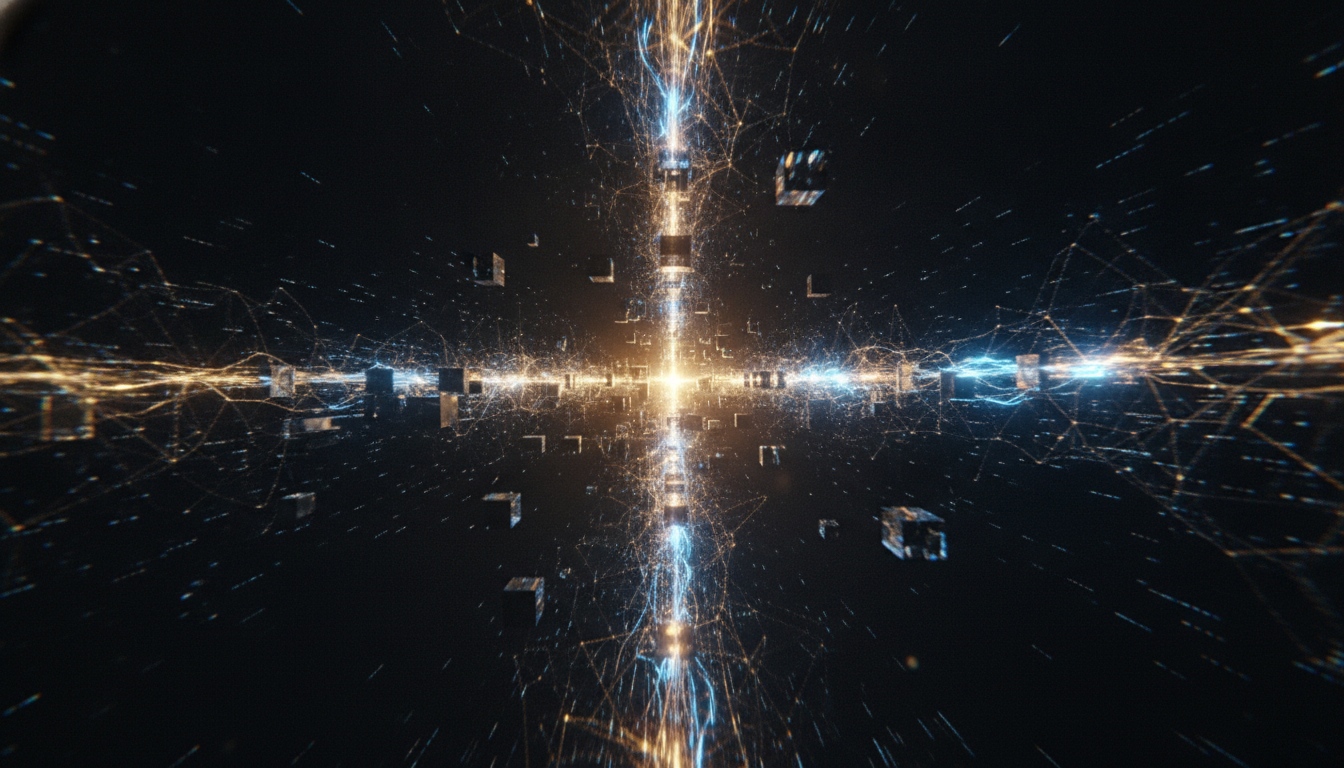
Prompt 4: Abstract Conceptual Art - Systemic Interconnectedness
This prompt translates complex philosophical ideas into detailed, high-impact abstract visuals often used in educational or editorial content.
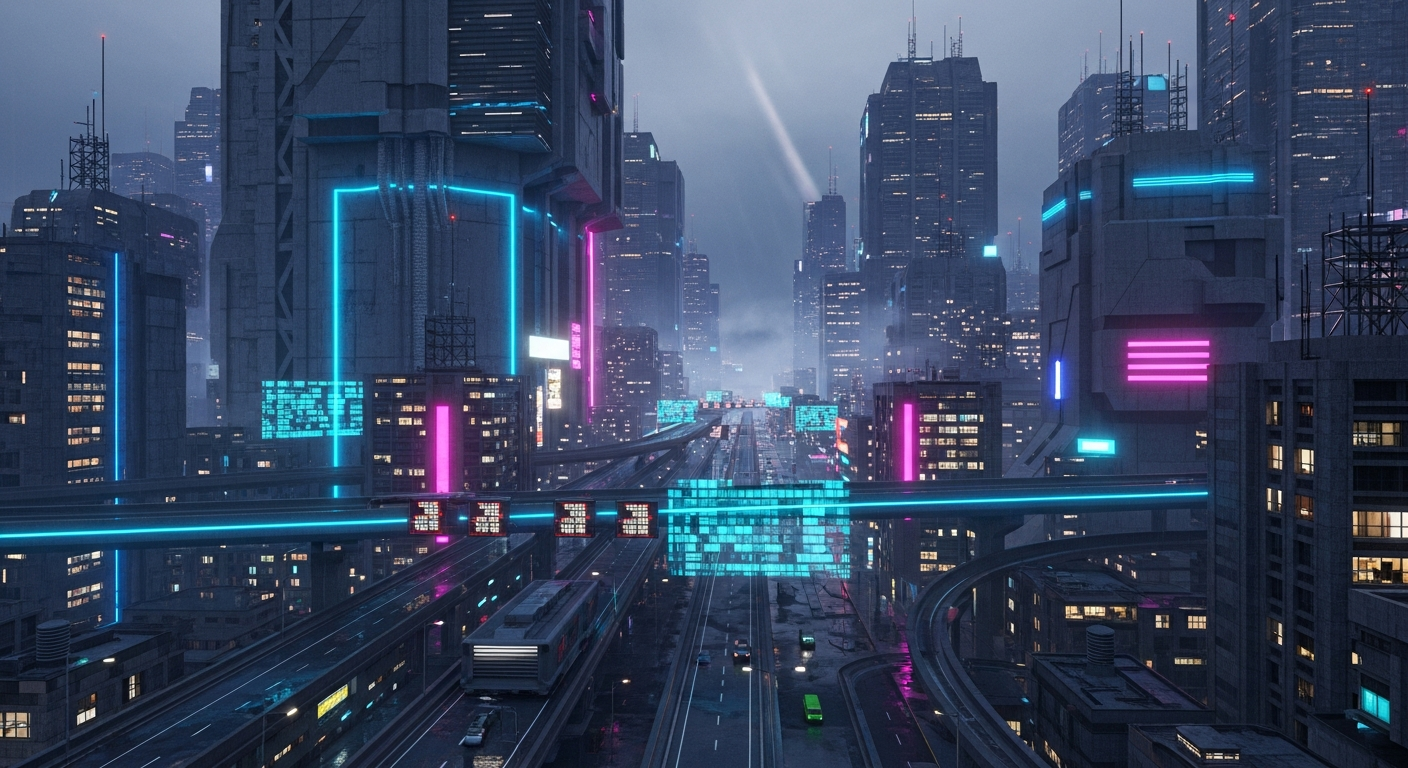
Prompt 5: Cyberpunk Character Portrait - Neon Rain
A detailed character prompt emphasizing atmosphere, specific film stock, and professional portrait photography techniques for maximum realism.
Prompt 6: Historical Speculative Fiction - Steampunk Submarine
Excellent for brainstorming alternate history themes, blending detailed technical specifications with classic artistic mediums.
Prompt 7: Low Poly Game Environment - Cozy Cottage
A prompt defining specific graphical limitations (low-poly) combined with atmospheric details, perfect for generating game assets or mockups.
Successful AI image generation is less about luck and more about disciplined prompt engineering. By adopting a structured brainstorming workflow—defining style, medium, lighting, and technical details rigorously—you move beyond simple descriptions into truly art-directed creation. Use these prompts as springboards for iteration, swapping out subject matter while retaining the technical descriptions to achieve rapid, high-quality results across any platform like Gemini, DALL-E 3, or Midjourney.
Frequently Asked Questions
How do I make my AI art commercially viable?
Focus on generating images that fit specific commercial needs, such as product mockups, defined concept art (with clear IP direction), or highly detailed background assets. Always ensure you are using a generative model (like Gemini Advanced or DALL-E 3) that grants you full commercial usage rights for the outputs.
What is the key to prompt brainstorming success?
The key is iteration and specificity. Start with a foundational style (e.g., 'hyper-realistic architectural photograph') and then iterate by changing only one variable at a time (e.g., swapping the lighting from 'golden hour' to 'harsh midday'). This structured approach refines your concept quickly.
Should I include camera details (like lens type) in the prompt?
Absolutely, especially for photorealistic prompts. Including specific camera body, lens, film stock, or render engine (like Unreal Engine 5 or V-Ray) parameters helps the AI mimic the precise visual characteristics, depth of field, and distortion associated with professional photography, resulting in higher fidelity outputs.